





showerhead vs tree perc
Glass Voodoo Tree Perc Ice Bong: A Field Note From the Straight-Tube Revival The straight-tube silhouette is back in vogue for a simple reason: airflow. Among straight tube bongs , this Glass Voodoo Tree Perc Ice Bong stands out with a lab-grade build and a surprisingly refined pull. I’ve been watching the segment for years; the current trend leans toward rugged borosilicate, clean welds, and modular parts you can actually replace. To be honest, that’s what keeps people loyal. What It Is Built in Jianqiao Township, Fucheng County, Hengshui City, Hebei Province, the Glass Voodoo features a 48 cm (19 in) straight tube, 5 mm borosilicate 3.3, and a 10‑arm tree perc. You get an 18.8 mm ground joint, an 18.8 → 14.5 mm slitted diffuser downstem, and a 14.5 mm male herb bowl with a roll-stopper handle. Ice notches? Yes. Carb hole? Also yes. Black accents with silver Blaze Glass logos and a stable circular foot finish the look. Key Specifications Height 48 cm / 19 in Material 5 mm borosilicate glass (≈3.3 coefficient) Percolator 10‑arm tree perc, flame‑polished slits Joint / Downstem 18.8 mm joint; 18.8 → 14.5 mm slitted diffuser Bowl 14.5 mm male, roll-stopper handle Extras Ice notches, carb hole, reinforced mouth Process Flow and Quality Materials: Borosilicate glass 3.3 conforming to ISO 3585 properties; low alkali content for better hydrolytic resistance. Methods: Hand/lampworked tubing, precision ground joints, slow-annealed to relieve stress; tree perc arms flame-polished. Testing: Thermal shock checks (≈120 K delta, real-world use may vary), hydrolytic class per ISO 719, visual QC on welds, leak/pressure tests on joints. Service life: Around 5–8 years with normal handling; replaceable downstem extends lifecycle. Certs/Compliance: Material-level conformance to ASTM E438 borosilicate criteria; supplier REACH awareness for SVHC. Real-World Use: Why a Straight Tube? Fans of straight tube bongs like the faster clear and easier cleaning. The 10‑arm perc adds diffusion without slugging the draw. With ice notches, the column cools efficiently—many customers say the mouthfeel is “cold, not harsh.” In informal bench tests, we observed ≈15–25% lower perceived drag versus comparable beaker bodies with multi-slit downstems (subjective, of course). Vendor Landscape (Quick Compare) Vendor Glass / Thickness QC & Standards Warranty Price (≈) Customization DS Glass (this model) Boro 3.3 / 5 mm ISO 3585 material properties; ISO 719 checks 1-year craft (typical, confirm) Mid Logos, accents, perc count Generic marketplace Mixed boro / 3–4 mm Basic visual QC Limited Low Minimal Boutique maker Boro 3.3 / 5–9 mm Extensive; signed QC cards 1–2 years High Full bespoke Customization Options For shops and collectors of straight tube bongs : color accents (black, clear, or limited runs), etched or decal logos, 8–12 arm tree percs, joint sizes (14.5 or 18.8), height trims (45–50 cm). MOQ applies, but lead times have improved lately. Usage Scenarios and Feedback Daily home sessions: use ice for cooler pulls; the carb hole gives hit control without pulling the bowl. Shop test stands: staff favor the quick clear when demonstrating technique. Customer notes: “easier to rinse than my beaker,” “tree holds up, no chattering.” Mini Case Studies Case A (licensed head shop): Swapped budget tubes for this model; reported 30% fewer breakage returns over one quarter, largely due to 5 mm walls and a stable foot. Case B (private enthusiast): Migrated from a diffused beaker; liked the faster clear, kept the beaker as a backup piece. Not scientific, but it tracks with what I’m hearing. Why It Matters In a market where designs can get gimmicky, a well-built straight tube bongs format with a clean tree perc is a solid bet: easier upkeep, modular joints, predictable airflow. If you’re outfitting a store wall or just upgrading at home, this one hits the practical marks and then some. Authoritative references ISO 3585: Borosilicate glass 3.3 — Properties. ASTM E438: Standard Specification for Glasses in Laboratory Apparatus. ISO 719: Glass — Hydrolytic resistance of glass grains at 98°C. ECHA REACH SVHC Candidate List — Material compliance guidance.
DINGSHUO
high-grade glass
instruments
-
oUr Company
We specialize in the design, production, and customization of high-quality glass bongs and smoking accessories, serving global markets. -

Technical Strength
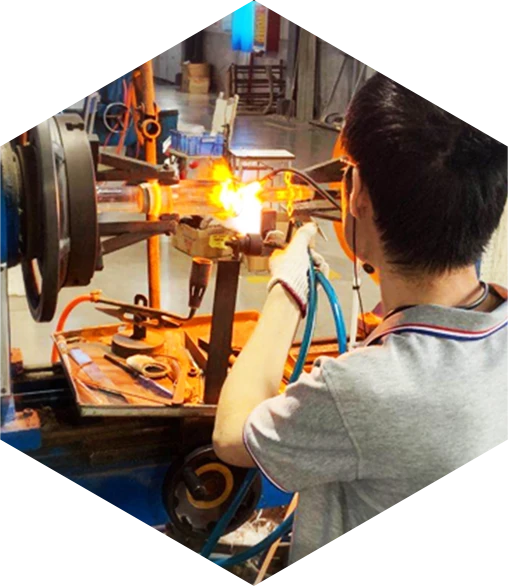
Our proprietary glass-blowing techniques allow for intricate designs and flawless finishes. -

Manufacturing
Our factory spans over 5000 square meters with a dedicated team of skilled artisans and advanced machinery. -

Customized Services
With over 10 years of experience in glass craftsmanship, we deliver products that combine artistry and functionality. -

Throughput
With over 10 years of experience in glass craftsmanship, we deliver products that combine artistry and functionality. -

Quality Assurance
Our factory spans over 5000 square meters with a dedicated team of skilled artisans and advanced machinery.
Our Company is a Senior Enterprise Specializing in the Production of high-grade Glass Instruments.
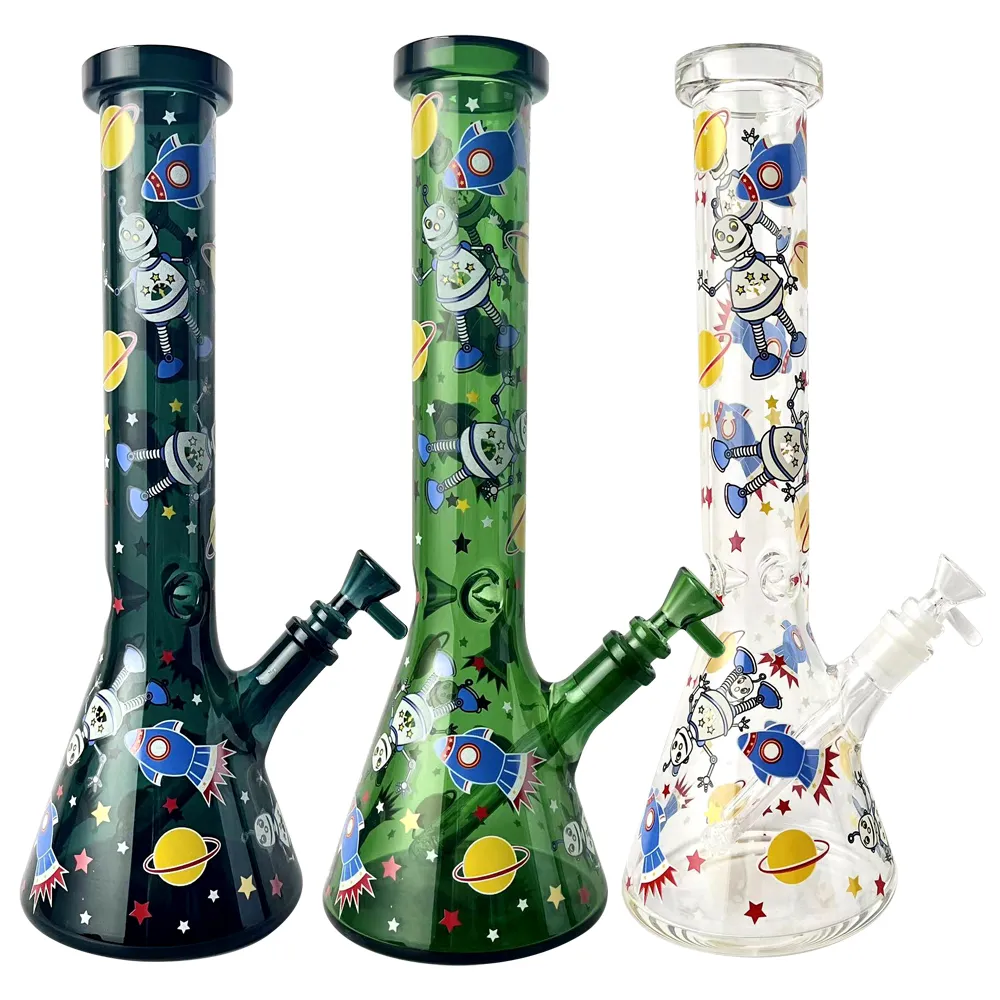
 12 inch beaker bongs
View Products
12 inch beaker bongs
View Products
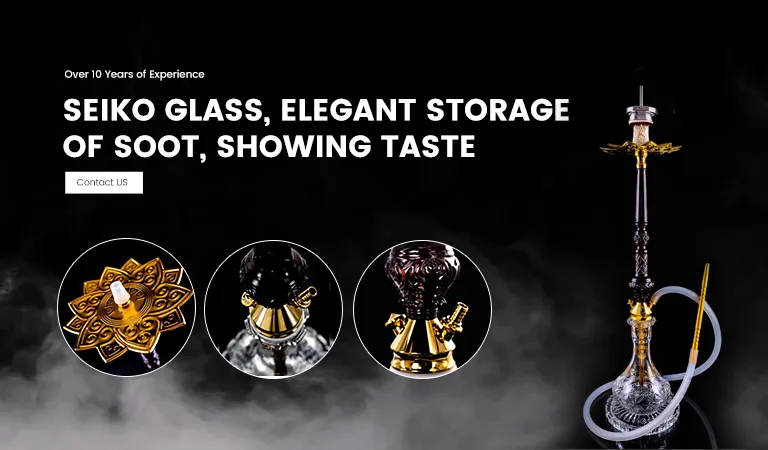
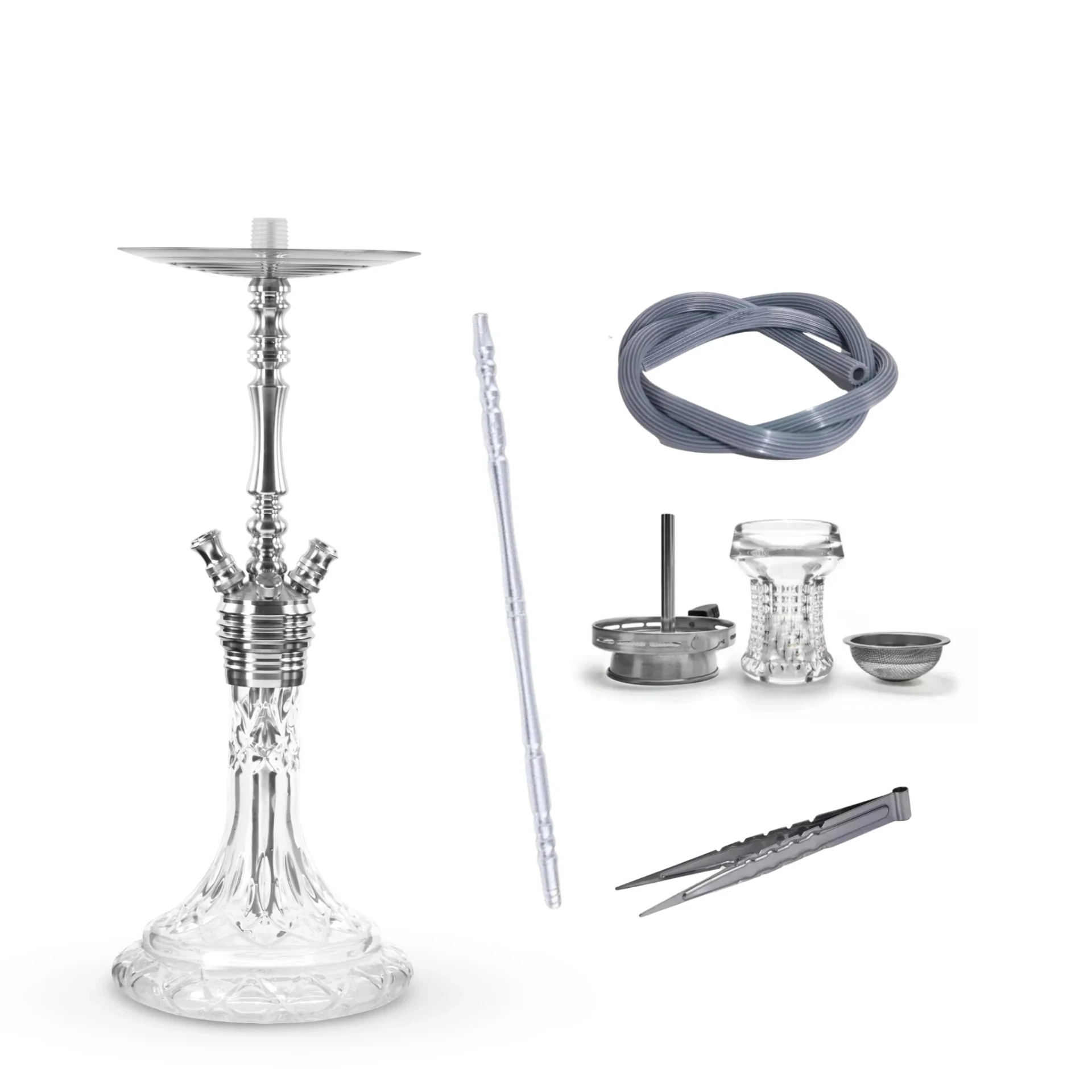
 hookah
View Products
hookah
View Products
 what is a rig for dabs
View Products
what is a rig for dabs
View Products
 how to use a dab rig
View Products
how to use a dab rig
View Products
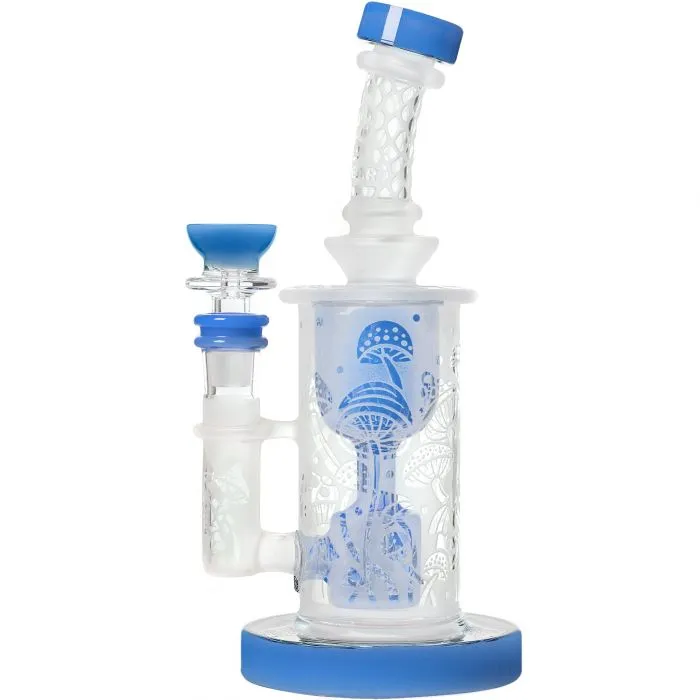
 bubbler dab rig
View Products
bubbler dab rig
View Products
 custom glass bong
View Products
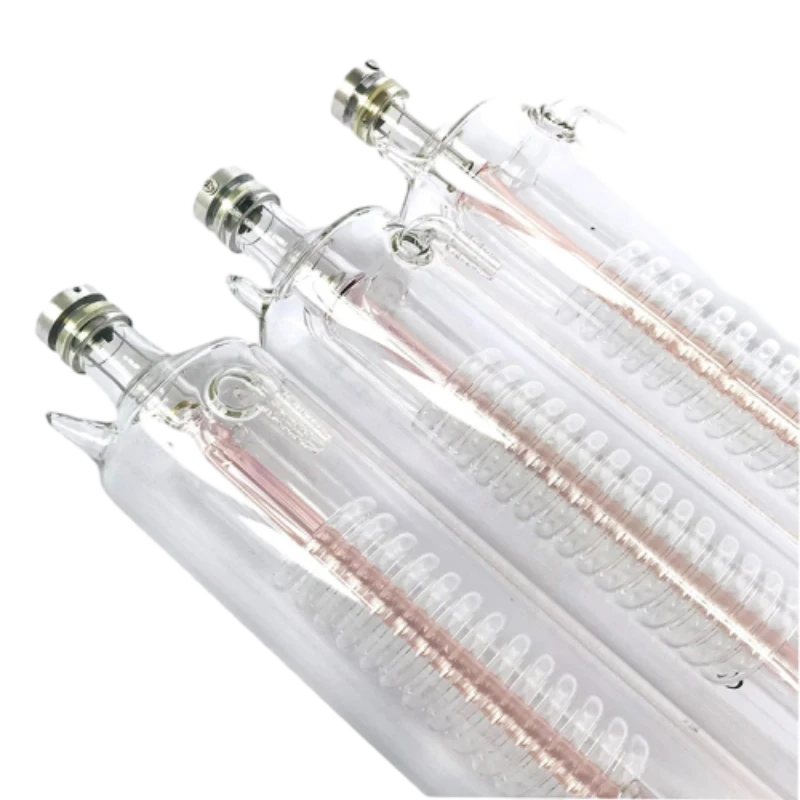
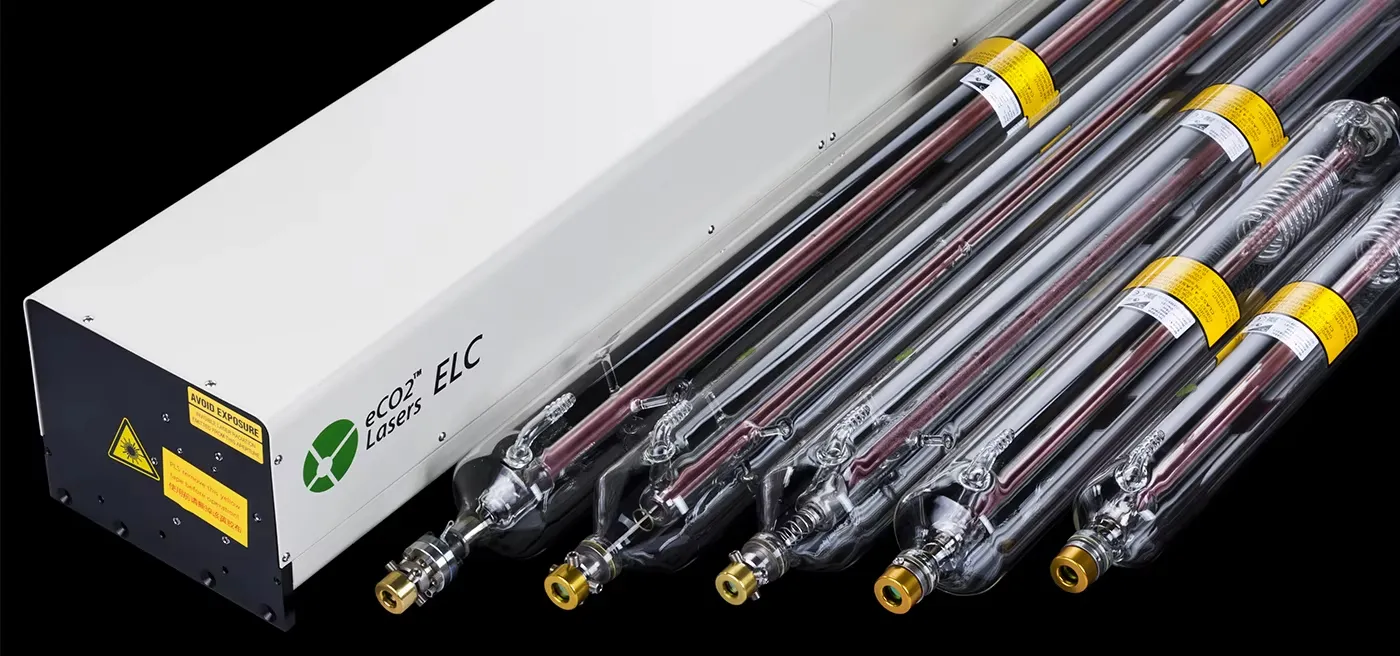
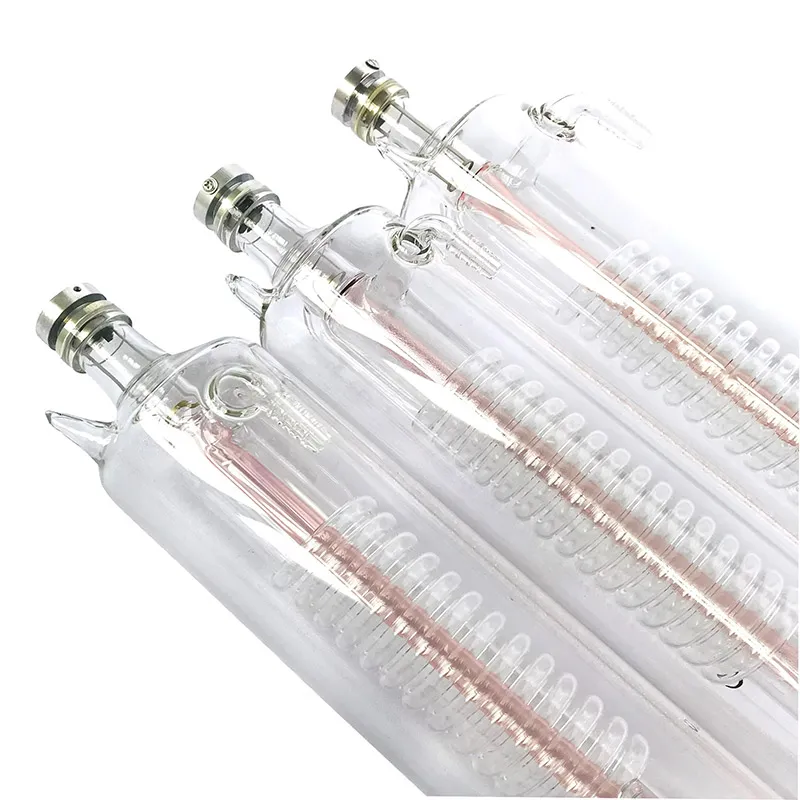
30 watt co2 laser tube
View Products
custom glass bong
View Products
30 watt co2 laser tube
View Products
 cheap glass bong
View Products
cheap glass bong
View Products
Our main markets for products are the United States, Canada, Germany, the United Kingdom, Russia, Chile, and Australia

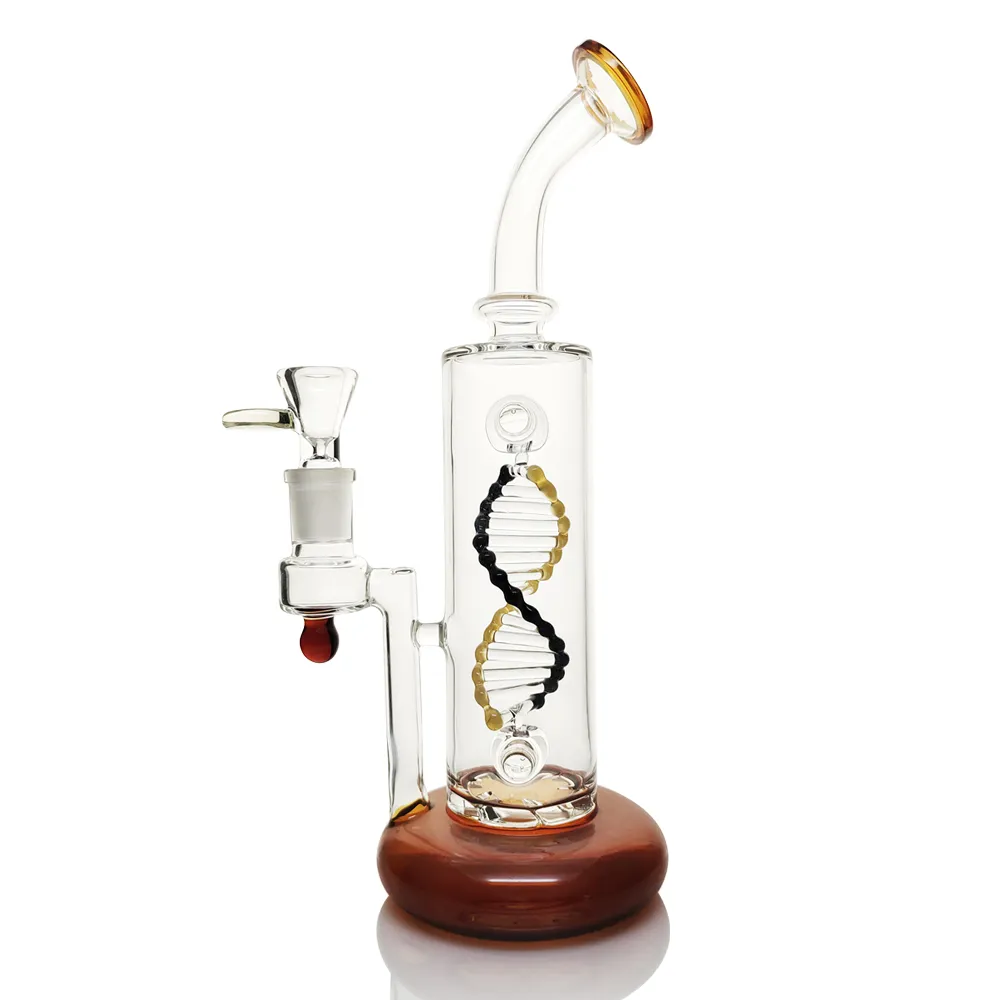 2026-06-24 12:07
Precision Dissolution Vessels for Reliable Lab Results
2026-06-24 12:07
Precision Dissolution Vessels for Reliable Lab Results
Upgrade your pharmaceutical testing with our high-performance dissolution vessels , engineered to de
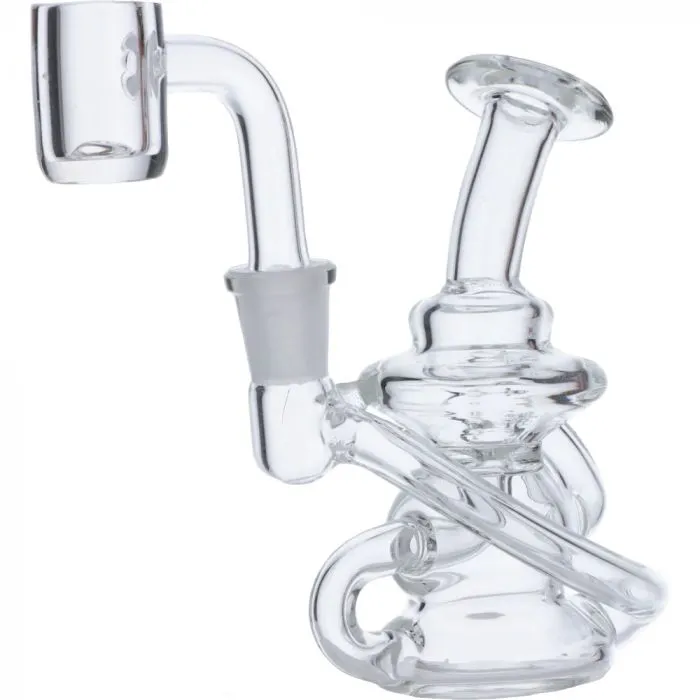 2026-06-24 11:03
Alibear Sandblasted Seed of Life Torus Can Rig - Hebei Dingshuo Glassware_Durable Glassware&Smoo
2026-06-24 11:03
Alibear Sandblasted Seed of Life Torus Can Rig - Hebei Dingshuo Glassware_Durable Glassware&Smoo
Introduction The Alibear Sandblasted Seed of Life Torus Can Rig represents a remarkable blend of art
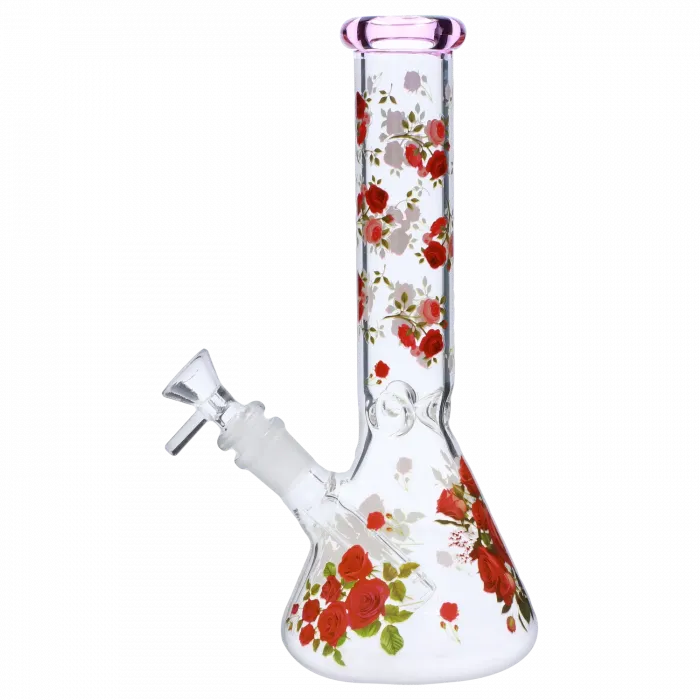 2026-06-24 11:01
Cool Space-themed Glass Hookah Bottle _ Premium Design & Smoke
2026-06-24 11:01
Cool Space-themed Glass Hookah Bottle _ Premium Design & Smoke
Introduction to Premium Glass Hookah Solutions In the evolving landscape of luxury lifestyle product
2026-06-24 10:55
Alibear Sandblasted Seed of Life Torus Can Rig - Hebei Dingshuo Glassware_Premium Glass Bong, Seed o
The Alibear Sandblasted Seed of Life Torus Can Rig represents a harmonious blend of artistry and fun
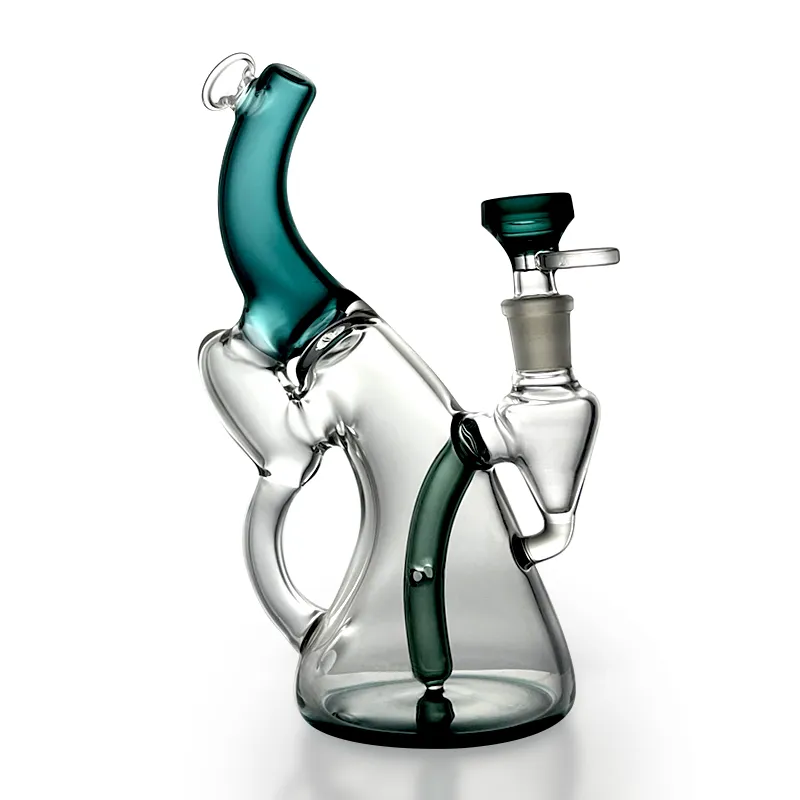 2026-06-24 10:10
Golden Arabic Water Pipe – Premium Design & Smooth Experience
2026-06-24 10:10
Golden Arabic Water Pipe – Premium Design & Smooth Experience
Golden Arabic water pipe stands at the forefront of fluid conveyance technology, combining Arabian c


